



Introduction
In today’s modern jewelry world, the question “Moissanite vs. Diamond — which one should you buy?” has become one of the most searched and discussed topics among engagement ring shoppers in the U.S. Both gemstones offer incredible brilliance, elegance, and durability, yet they cater to very different priorities. Diamonds have long been the symbol of eternal love and luxury, while Moissanite has emerged as a sustainable, ethical, and affordable alternative that rivals the sparkle of natural diamonds.
At D218 Jewels, we understand that buying a ring isn’t just a purchase — it’s a deeply personal decision that reflects your values, emotions, and lifestyle. With so many couples now looking for environmentally conscious and budget-friendly options, Moissanite jewelry in USA has gained immense popularity. However, traditional buyers still admire the timeless charm and prestige of diamond engagement rings in USA.
In this guide, we’ll compare Moissanite vs. Diamond rings in detail — covering price, durability, brilliance, and ethical considerations — to help you make a confident, well-informed choice. Whether you’re planning a proposal, upgrading your jewelry, or simply exploring your options, this blog will help you discover which gemstone truly fits your story.
What Is Moissanite?
Moissanite is a brilliant, lab-created gemstone that has become one of the most popular alternatives to diamonds. Known for its incredible sparkle, durability, and ethical value, it offers beauty and brilliance at an affordable price. Scientifically, Moissanite is made from silicon carbide, a mineral that was first discovered in nature but is now produced in laboratories for jewelry. What makes Moissanite truly special is its ability to reflect more light than many other gemstones, creating a rainbow-like fire that captivates buyers. In simple terms, when people ask, What Is Moissanite? — it’s a stunning, sustainable, and cost-effective gemstone that looks just as luxurious as a diamond, making it perfect for engagement rings and fine jewelry lovers in the USA.
The Origin and Discovery of Moissanite
The story of Moissanite begins in 1893 when Dr. Henri Moissan, a French scientist and Nobel Prize winner, discovered tiny crystals of silicon carbide inside a meteor crater in Arizona. At first, he thought they were diamonds, but after research, he identified them as a completely new mineral — later named “Moissanite” in his honor. Natural Moissanite is extremely rare, found only in meteorites and certain types of rock formations. Because of this rarity, scientists began recreating Moissanite in laboratories to make it available for jewelry. Its cosmic origin gives Moissanite a unique, almost celestial meaning — a gemstone truly “born from the stars.
How Moissanite Is Made in Laboratories
Modern Moissanite is created through advanced lab technology that mimics the natural conditions under which the original mineral formed. Scientists combine carbon and silicon under high heat and pressure to produce clear, flawless crystals of silicon carbide. The process takes weeks and requires precision to achieve perfect clarity and brilliance. Each Moissanite gemstone is then cut and polished just like a diamond to maximize its sparkle and symmetry. Because it’s lab-grown, Moissanite is eco-friendly, conflict-free, and ethically produced — making it a responsible choice for couples who care about sustainability and transparency.
Moissanite’s Popularity in Modern Engagement Rings
In recent years, Moissanite has become a top choice among U.S. couples shopping for engagement rings. Its affordability, sparkle, and ethical sourcing make it appealing to millennials and Gen-Z buyers who value both beauty and conscience. Compared to diamonds, Moissanite offers a brighter fire and similar durability — ranking 9.25 on the Mohs hardness scale, making it perfect for daily wear. Jewelry brands like D218 Jewels feature exquisite Wedding Bands in USA, combining timeless design with sustainable craftsmanship. Whether it’s a solitaire ring, halo setting, or custom piece, Moissanite delivers the elegance of luxury without the heavy price tag, redefining what modern engagement rings can be.
What Is a Diamond?
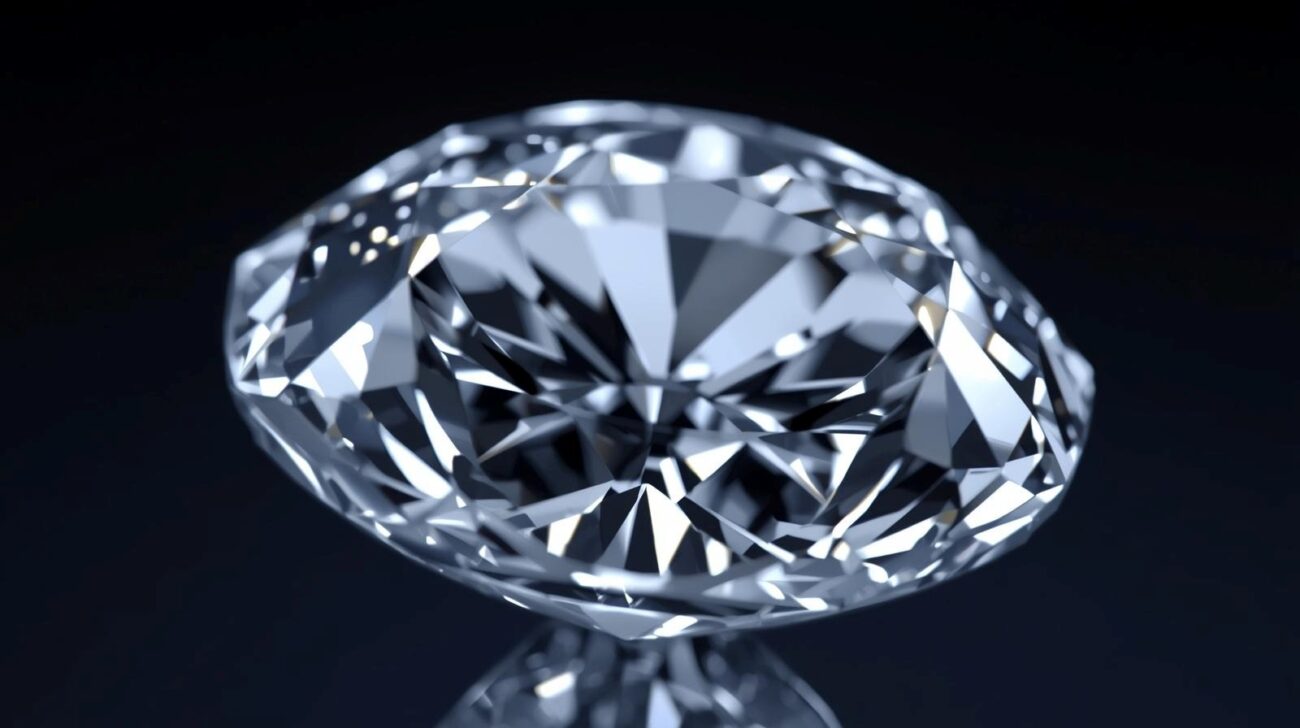
A diamond is one of nature’s most extraordinary creations — a crystal form of pure carbon known for its unmatched brilliance and hardness. When people ask What Is a Diamond?, the simplest answer is: it’s a gemstone formed deep inside the Earth under extreme heat and pressure, then brought to the surface through volcanic eruptions over billions of years. Diamonds are highly valued for their sparkle, durability, and symbolic meaning of eternal love. Whether used in engagement rings, earrings, or fine jewelry, diamonds represent luxury and timeless beauty. Today, buyers can choose between earth-mined and lab-grown diamonds, both offering exceptional shine and purity.
The Natural Formation of Earth-Mined Diamonds
Natural diamonds are formed 100 to 200 kilometers beneath the Earth’s surface, where carbon atoms bond together under immense heat (over 1,000°C) and pressure. This process takes over a billion years, creating the hardest known natural material on Earth. These diamonds are then pushed to the surface by volcanic activity and mined from kimberlite rocks. Each diamond is unique — no two are exactly alike. The formation process makes natural diamonds rare and precious, symbolizing endurance and strength. When you understand what is a diamond, you appreciate that its journey from deep within the Earth to a polished gem is truly a story of nature’s power and patience.
Understanding the 4Cs of Diamonds (Cut, Color, Clarity, Carat)
Every diamond’s beauty and value are determined by the 4Cs — Cut, Color, Clarity, and Carat weight.
- Cut defines how well a diamond reflects light, influencing its sparkle.
- Color ranges from colorless (most valuable) to slightly tinted.
- Clarity measures internal imperfections called inclusions.
Carat refers to the diamond’s weight or size.
Together, these factors decide the brilliance, beauty, and price of the gemstone. Understanding the 4Cs helps buyers make informed decisions when choosing diamonds for engagement rings or jewelry. At D218 Jewels, every diamond is certified and graded on these parameters, ensuring that what you receive reflects both perfection and authenticity.
Lab-Grown Diamonds vs. Natural Diamonds — Quick Overview
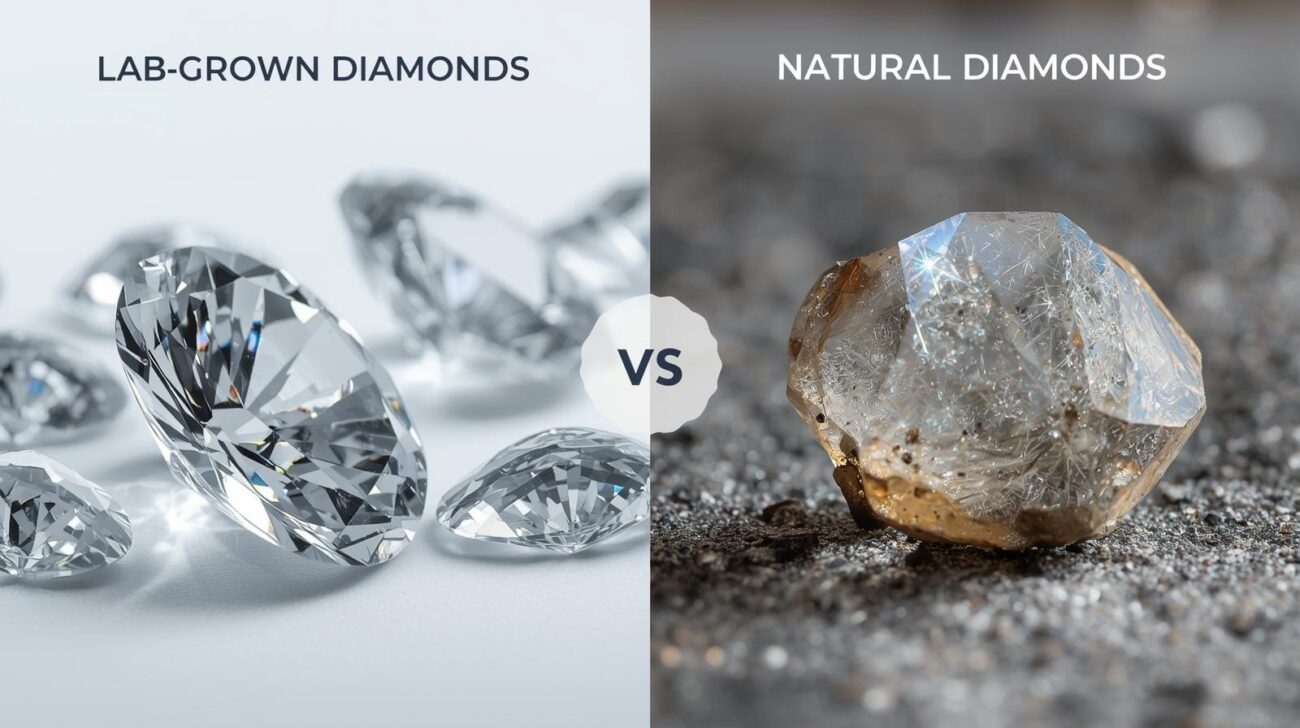
Lab-grown diamonds are real diamonds created in a controlled environment using advanced technology that replicates Earth’s natural formation conditions. Chemically and visually, they are identical to mined diamonds, with the same sparkle, hardness, and durability. The key difference lies in their origin — one is formed naturally over billions of years, while the other is produced in a few weeks inside a lab. Lab-grown diamonds are more affordable and environmentally friendly, making them a growing favorite among modern U.S. buyers. Natural diamonds, however, remain prized for their rarity and emotional value. At D218 Jewels, we proudly offer both lab-grown and natural diamond collections, ensuring customers can choose the gem that best represents their love, style, and beliefs.
Which One Looks Better on an Engagement Ring — Moissanite or Diamond?
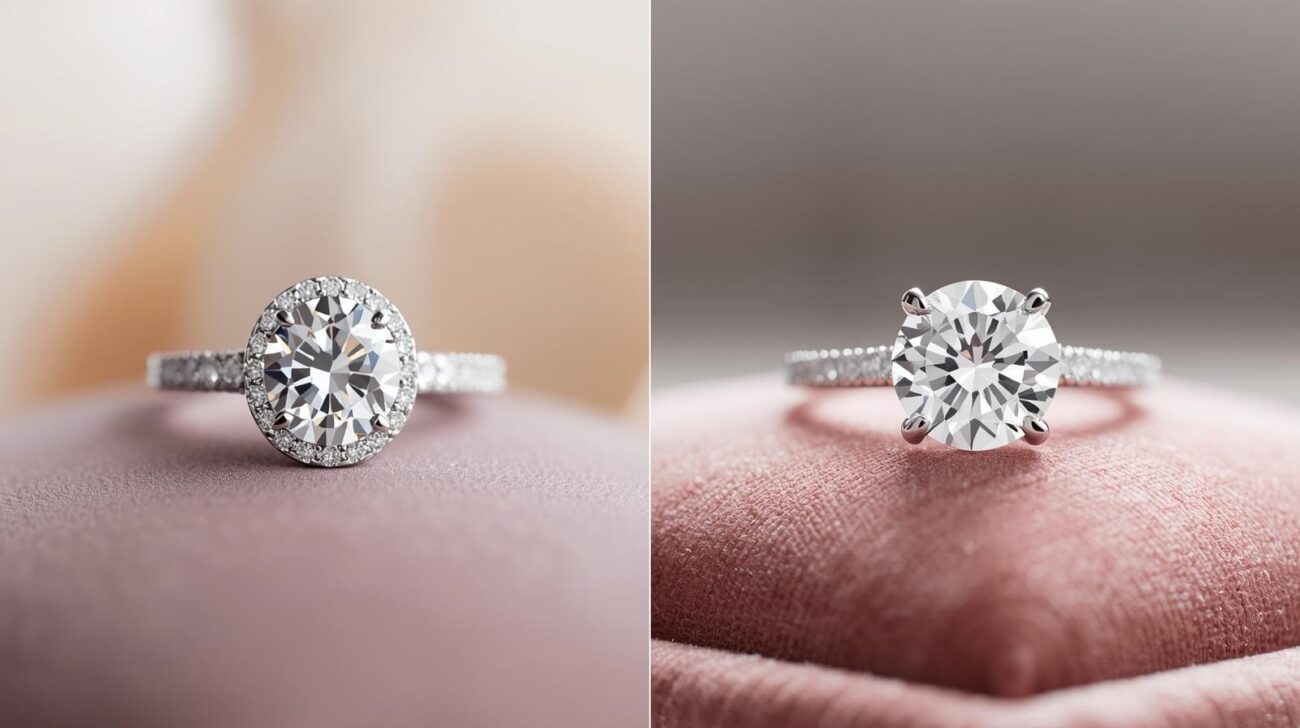
When it comes to choosing between Moissanite vs. Diamond rings for an engagement, both stones look stunning — but they create very different visual effects. Diamonds offer a classic, white brilliance that symbolizes timeless romance, while Moissanite gives off a rainbow-like sparkle with extra fire and light dispersion. Under sunlight, Moissanite shines more vividly, while diamonds display a refined, elegant glow.
For buyers who love a bold, eye-catching look, Moissanite offers a modern brilliance that stands out from every angle. If you prefer a traditional sparkle that never goes out of style, a diamond ring remains unmatched. Both gemstones look beautiful in all ring settings — solitaires, halos, and vintage designs. To maintain their shine, it’s important to know how to clean diamond jewelry at home using mild soap, warm water, and a soft brush. Regular cleaning keeps both Moissanite and diamond rings sparkling like new for years.
At D218 Jewels, we help couples compare Lab-Grown vs Natural Diamond Engagement Rings side by side so they can see which one matches their personality and love story. In the end, the “better” option depends on your taste — Moissanite for brilliance and value, or diamond for legacy and emotion.
Pros and Cons of Moissanite vs. Diamond Rings
Feature / Factor | Moissanite Rings – Pros and Cons | Diamond Rings – Pros and Cons |
Origin | Moissanite is a lab-created gemstone made from silicon carbide. It is eco-friendly and conflict-free but not naturally rare. | Diamonds are formed naturally deep inside the Earth. They are rare and symbolize luxury, but mining can affect the environment. |
Appearance and Sparkle | Moissanite has a higher refractive index (2.65), which gives it a strong, rainbow-like fire. It appears more vibrant under light. Some buyers find it too colorful. | Diamonds have a refractive index of 2.42, producing a clean white sparkle that is timeless and elegant. They offer a classic appearance. |
Durability (Mohs Scale) | Moissanite scores 9.25 on the Mohs hardness scale, making it durable and resistant to scratches. It is slightly softer than a diamond. | Diamonds score a perfect 10 on the Mohs scale, making them the hardest natural material and ideal for daily wear. |
Price and Affordability | Moissanite is up to 80% cheaper than diamonds, allowing buyers to choose larger stones for the same price. It has lower resale value. | Diamonds are more expensive per carat but hold long-term value and investment potential. They retain resale value due to rarity and certification. |
Ethics and Sustainability | Moissanite is entirely lab-grown, requiring no mining and producing a minimal carbon footprint. It is ideal for sustainable buyers. | Diamonds can be ethically sourced through the Kimberley Process, but natural mining still has an environmental footprint. |
Emotional and Symbolic Value | Represents modern love, innovation, and responsible luxury. | Represents heritage, commitment, and timeless romance. |
Maintenance and Care | Easy to clean and maintain. Moissanite retains its sparkle without special care. | Diamonds are also easy to maintain but may require occasional professional polishing. |
Customization and Variety | Moissanite is easily customizable in different cuts, shapes, and sizes, making it perfect for personalized designs. | Diamonds are available in traditional styles, graded by the 4Cs (cut, color, clarity, carat) and certified for quality. |
Ideal Buyers | Best for couples who want affordable, ethical, and brilliant engagement rings. | Ideal for buyers who value tradition, rarity, and heirloom-quality jewelry. |
Availability at D218 Jewels | D218 Jewels offers ethically crafted Moissanite jewelry in USA with modern and sustainable designs. | D218 Jewels features certified diamond engagement rings in USA and elegant diamond wedding bands in USA. |
How to Decide Which One to Buy — Moissanite or Diamond?
Choosing between Moissanite vs. Diamond rings comes down to understanding your priorities — appearance, budget, lifestyle, and personal values. Both stones are beautiful and durable, but each offers something different. Moissanite reflects modern values like sustainability and affordability, while diamonds carry history, prestige, and emotional symbolism. When deciding, think about what matters most to you: the story behind the stone or the sparkle on your hand.
Choosing Based on Budget and Lifestyle
If you want luxury that fits your budget, Moissanite is the smarter option. It costs up to 80 % less than a diamond while offering nearly the same brilliance and durability. For buyers who lead active lifestyles or prefer low-maintenance jewelry, Moissanite’s strength and resistance to scratches make it ideal for daily wear.
Diamonds, on the other hand, are perfect for those who see jewelry as an investment. Their natural rarity and certification give them lasting financial and sentimental value. Whether you prefer an eco-friendly statement or a timeless heirloom, both gemstones can match your lifestyle when chosen thoughtfully.
Choosing Based on Ethics and Sustainability
Many modern couples in the U.S. prefer Moissanite for its eco-friendly origin. Being lab-created, it leaves no mining impact and is entirely conflict-free. It appeals to buyers who care about responsible sourcing and environmental awareness.
Diamonds are now also available in lab-grown versions, offering a balance between ethics and tradition. Certified natural diamonds that follow the Kimberley Process ensure ethical mining practices. At D218 Jewels, every diamond and Moissanite ring is sourced responsibly, so you can make your choice confidently knowing it aligns with your values.
Choosing Based on Emotional and Symbolic Value
Diamonds have always symbolized enduring love and lifelong commitment. Their natural origin and centuries-old reputation make them the traditional choice for engagement and wedding rings. Moissanite, however, reflects a more modern kind of love — conscious, sustainable, and forward-thinking.
If you want a ring that represents your story of innovation and shared values, Moissanite is an excellent fit. If you wish to carry on a legacy of tradition and timeless beauty, a diamond will always be meaningful. At D218 Jewels, we help you compare Moissanite vs. Diamond rings side by side, ensuring your final choice feels authentic and emotionally right.
Conclusion — Moissanite vs. Diamond: Which Should You Choose?
When comparing Moissanite vs. Diamond rings, the best choice depends on your priorities. If you value affordability, ethical sourcing, and modern brilliance, Moissanite delivers exceptional sparkle and durability without the high cost. It is a perfect option for couples who want beauty, sustainability, and practical luxury.
Diamonds, however, remain timeless. Their natural origin, emotional symbolism, and long-term value make them a classic choice for those who appreciate tradition and prestige. A diamond ring is more than a piece of jewelry — it is a symbol of legacy and everlasting love.
At D218 Jewels, we believe every gemstone tells a story. Whether you choose a sustainable Moissanite jewelry in USA design or a certified Lab Grown diamond engagement ring in USA, your ring should reflect your personality and values. Explore our handcrafted collections of diamond wedding bands in USA and Moissanite rings to find a piece that shines as bright as your forever.
FAQS
Moissanite is a real gemstone, not a fake diamond. It’s made from silicon carbide and has its own unique brilliance and fire. While it looks similar to a diamond, it is created in laboratories using advanced technology. Moissanite is durable, affordable, and completely ethical, making it a great alternative for engagement and wedding rings. It’s loved for its intense sparkle, sustainability, and excellent value for money.
To the naked eye, Moissanite and diamonds look almost identical. Both are clear, brilliant, and beautifully reflective. The main difference is in their sparkle — Moissanite has more colorful “fire,” while diamonds emit a whiter brilliance. Under professional inspection, experts can spot differences in light dispersion, but most people cannot tell them apart. That’s why many U.S. couples choose Moissanite rings for their diamond-like appearance at a more affordable price.
Both Moissanite and diamonds are extremely durable and can last a lifetime with proper care. Diamonds are the hardest known natural material, ranking 10 on the Mohs scale, while Moissanite scores 9.25, making it nearly as strong. This means Moissanite resists scratches, chips, and everyday wear almost as well as diamonds. Whether you choose a Moissanite or diamond ring, both will retain their shine and beauty for decades of daily use.
No, Moissanite never loses its sparkle. Its brilliance remains just as vibrant as the day you bought it. Unlike some gemstones that fade or cloud with time, Moissanite is resistant to dullness, heat, and chemical exposure. Occasional cleaning with warm water and mild soap will keep it shining bright. This long-lasting sparkle is one of the main reasons U.S. buyers love Moissanite engagement and wedding rings.
Yes, Moissanite is significantly cheaper than diamonds. On average, a Moissanite gemstone costs 70–80% less than a natural diamond of similar size and cut. This allows buyers to choose larger, more elaborate designs within a smaller budget. Despite the lower cost, Moissanite offers remarkable brilliance, durability, and ethical sourcing, making it a popular choice among modern U.S. couples looking for affordable luxury.
Moissanite can pass some diamond testers that only measure heat conductivity, but advanced testers that check both heat and electricity can easily identify it. This is because Moissanite conducts electricity differently from diamonds. While both gemstones are visually similar, professional jewelers can distinguish them using specialized tools. For buyers, the visual difference is almost impossible to notice without testing, which makes Moissanite a great diamond alternative.
Moissanite holds less resale value compared to diamonds, which are rare and globally traded commodities. However, Moissanite’s appeal lies in its affordability and long-term beauty, not investment potential. Buyers often choose Moissanite for everyday wear and sustainable luxury. Diamonds, especially GIA-certified ones, maintain stronger resale and inheritance value. Whether you pick Moissanite or diamond, both hold sentimental worth and beauty beyond financial value.
Yes, Moissanite is an excellent choice for engagement rings. It’s durable, scratch-resistant, and visually stunning — ideal for daily wear. Many U.S. couples now prefer Moissanite because it offers the same luxurious sparkle as diamonds but at a fraction of the price. It’s also lab-grown, making it an ethical, eco-friendly option. Moissanite engagement rings provide the perfect mix of brilliance, affordability, and sustainability.
Yes, Moissanite is both eco-friendly and conflict-free. Since it’s created in laboratories, it doesn’t involve mining or environmental damage. It also ensures fair and safe working conditions compared to some mined gemstones. Moissanite’s sustainable production process makes it a popular choice among U.S. buyers who care about responsible luxury. At D218 Jewels, every Moissanite ring is ethically crafted and certified for quality and sustainability.
You can buy premium-quality Moissanite and diamond rings at D218 Jewels, one of the trusted jewelry brands in the USA. D218 Jewels offers a curated selection of Moissanite jewelry in USA, diamond engagement rings in USA, and diamond wedding bands in USA, all ethically sourced and crafted for lasting brilliance. Every piece reflects the perfect balance between quality, affordability, and timeless elegance.