



When shopping for the perfect engagement ring, one of the biggest questions couples face today is whether to choose a lab-grown diamond engagement ring or stick with a natural diamond. With rapid advancements in technology, lab-created stones now look virtually identical to mined ones—yet come with their own pros and cons.
The debate isn’t just about appearance; it’s about value, ethics, and lifestyle choices.
For couples in the USA who want a balance between brilliance, budget, and sustainability, exploring the right option becomes even more important. Whether you’re drawn to the sparkle of nature’s creation or the innovation of a lab-created diamond engagement ring, understanding the differences will help you make the best decision for your love story.
In this guide, we’ll break down everything you need to know—cost, durability, ethics, and style—so you can confidently decide between natural and manufactured diamond engagement rings for your proposal.
What Are Lab-Grown Diamonds?
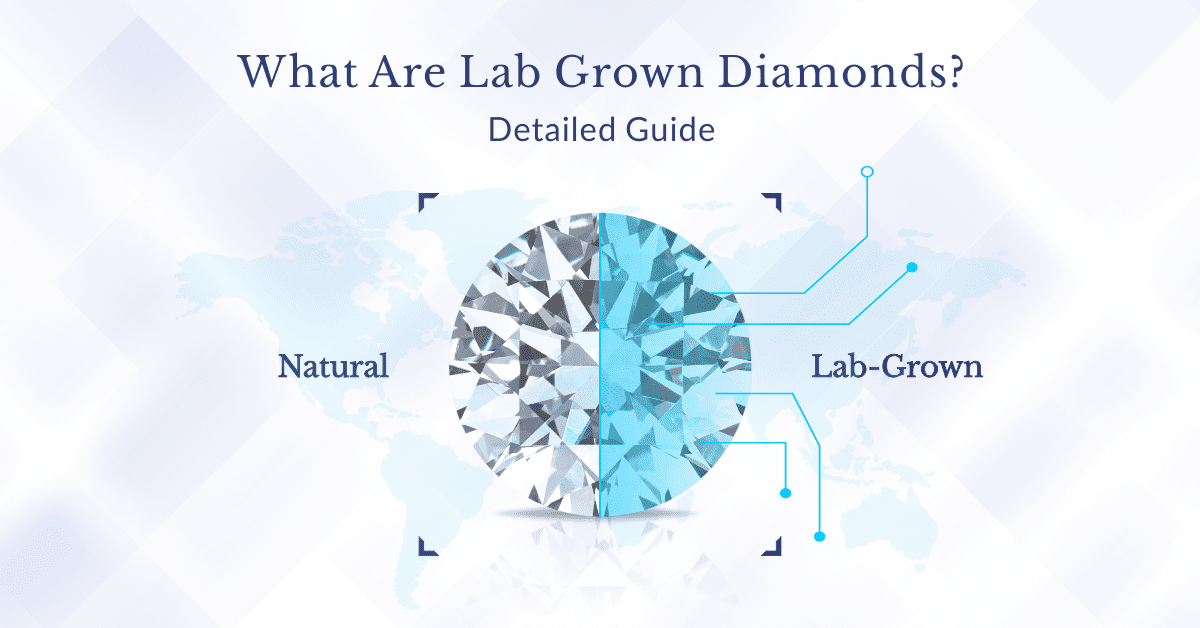
A lab-grown diamond engagement ring isn’t just a trend; it’s a smart, science-backed alternative to natural diamonds. Lab-grown or lab-created diamond engagement rings are crafted using advanced technology that replicates the same conditions found deep within the Earth.
The result? A real diamond—identical in sparkle, hardness, and durability to a mined one—but created in a controlled environment.
Unlike simulants like cubic zirconia or moissanite, these are manufactured diamond engagement rings that share the exact carbon structure of natural diamonds. To the naked eye—and even under a jeweler’s loupe—it’s nearly impossible to tell the difference. The only distinction lies in origin: one comes from beneath the Earth’s crust, the other from a modern lab.
The biggest appeal of lab-grown diamonds lies in their transparency and ethical edge. Since they avoid the environmental disruption and complex sourcing issues often tied to mined diamonds, buyers feel more confident about their choice.
And with advanced cutting styles, shapes, and carat options available, lab-grown diamonds are proving themselves as a practical yet beautiful choice for modern couples who want authenticity without compromise.
What Are Natural Diamond Engagement Rings?
When you think of a diamond engagement ring, chances are the first image that comes to mind is a sparkling, natural diamond set in gold or platinum. Natural diamonds are stones that were formed deep within the Earth’s mantle over billions of years under intense heat and pressure. They’re mined from the earth and have long been considered the ultimate symbol of love, rarity, and permanence.
For generations, couples have chosen natural diamond engagement rings because they represent tradition and timeless value. A natural diamond is unique — no two stones are ever the same, which adds to the emotional appeal for many buyers.
They’re also widely seen as a status symbol, making them especially popular for milestone occasions like engagements and weddings.
But while natural diamonds carry unmatched prestige, they also come with considerations. High prices, concerns around ethical sourcing, and the environmental impact of mining are factors that modern couples are starting to weigh more seriously. This is why the conversation around natural vs. lab-grown diamonds is gaining so much momentum in 2025.
What Are Lab-Grown Diamond Engagement Rings?
A lab-grown diamond engagement ring is created in a controlled laboratory environment, replicating the same natural conditions that form diamonds deep within the Earth. These stones are chemically, physically, and visually identical to natural diamonds, making them a genuine and stunning choice for modern couples.
Also called lab-created diamond engagement rings or manufactured diamond engagement rings, these diamonds are grown using advanced methods like High Pressure High Temperature (HPHT) or Chemical Vapour Deposition (CVD). Each stone is real, with the same carbon structure, hardness, and brilliance as a natural diamond.
One of the biggest appeals of lab-grown diamonds is affordability. Couples can get larger carat sizes or more intricate designs for a fraction of the price of natural diamonds. They’re also an ethical and eco-friendly alternative, avoiding the environmental and sourcing concerns often associated with mining.
With a variety of shapes, cuts, and customizable options, lab-grown diamond engagement rings allow couples to get exactly what they want without compromise. Whether you prefer classic solitaires or trendy halo settings, these diamonds are quickly becoming a top choice for engagement rings in the USA.
Lab-Grown vs Natural Diamonds: Key Differences

Choosing between a lab-grown diamond engagement ring and a natural diamond ring involves understanding several key factors. Here’s a clear breakdown to help you decide:
1. Price & Affordability
One of the biggest advantages of lab-grown diamond engagement rings is cost. They are typically 30–40% cheaper than natural diamonds of similar size and quality, allowing couples to get larger stones or more elaborate settings without breaking the budget. Natural diamonds, while prestigious, come with a premium due to their rarity.
2. Appearance & Quality
Visually, lab-grown diamonds are indistinguishable from natural diamonds. Both offer stunning brilliance, fire, and clarity. Only gemological labs can differentiate between them. This means couples choosing a manufactured diamond engagement ring won’t compromise on sparkle or elegance.
3. Ethical & Environmental Considerations
Lab-grown diamonds are a more sustainable choice. They avoid the environmental disruption and complex ethical concerns associated with mining natural diamonds. For eco-conscious couples, opting for a lab-created diamond engagement ring ensures their jewelry purchase aligns with their values.
4. Resale & Long-Term Value
Natural diamonds traditionally hold better resale value due to their rarity. Lab-grown diamonds, while gaining popularity, may not fetch the same long-term resale price. Couples need to weigh whether initial cost savings or traditional value is more important.
Choosing a lab-grown diamond engagement ring in the USA provides both ethical assurance and affordability, but buyers should keep in mind the potential difference in long-term resale value compared to natural stones.
5. Customisation & Variety
Lab-grown diamonds offer flexibility in shapes, sizes, and cuts. Popular options include lab-grown oval engagement rings, round solitaires, and fancy cuts that may cost significantly more in natural diamonds. This allows couples to get the exact ring they envision for their engagement.
Why Couples Are Choosing Lab-Grown Diamonds
Modern couples are increasingly drawn to lab-grown diamond engagement rings for several compelling reasons. Beyond just price, these diamonds offer a combination of style, ethics, and customisation that traditional natural diamonds can’t always match.
1. Affordability Without Compromise
With lab-created diamond engagement rings, couples can afford larger carat sizes or more intricate settings without overspending. This makes it possible to create a luxurious engagement ring that fits both style and budget, something that’s much harder to achieve with natural diamonds.
2. Ethical & Sustainable Choice
Many buyers today prioritise ethical sourcing. Lab-grown diamonds avoid mining conflicts and environmental degradation, making them a responsible choice for couples who care about sustainability. Opting for a manufactured diamond engagement ring allows you to celebrate love while staying eco-conscious.
3. Trend & Modern Appeal
Millennials and Gen Z buyers are embracing lab-grown diamonds not just for ethics and price, but also because of the modern appeal. These stones allow for unique shapes, vibrant cuts, and trendy designs that make your engagement ring stand out.
4. Variety & Customisation
From solitaires to halo settings, lab-grown diamonds offer a wide range of shapes and sizes. Popular cuts like lab-grown oval engagement rings are especially favoured for their elegance and flattering appearance on the finger.
5. Quality Assurance
Every lab-grown diamond comes with certifications verifying its quality, clarity, and authenticity. Couples can confidently invest in a lab-grown diamond engagement ring knowing it meets the same standards as natural diamonds.
Spotlight on Lab-Grown Oval Engagement Rings
Among the many shapes available, lab-grown oval engagement rings have quickly become a favourite for modern couples. The elongated silhouette of an oval cut not only adds elegance but also creates the illusion of longer, slender fingers. This timeless shape pairs beautifully with both classic and contemporary settings, making it versatile for any style of engagement ring.
Lab-grown oval engagement rings in the USA offer the same brilliance and fire as round cuts, but with a unique twist that sets them apart. Because these diamonds are lab-created, couples can enjoy larger carat sizes without the higher cost associated with natural oval diamonds. The affordability doesn’t compromise quality; each stone is certified and cut to perfection.
Couples also appreciate the ethical and sustainable aspects of lab-grown oval diamonds. Choosing a lab-grown oval engagement ring means supporting environmentally responsible practices while still getting a luxurious, high-quality stone. This combination of elegance, size, value, and ethics is why so many couples in the USA are choosing this cut for their engagement rings today.
Which One Lab-Grown Oval Engagement Rings Is Right for You?
Deciding between a natural diamond and a lab-grown diamond engagement ring ultimately comes down to your priorities, values, and budget. Here’s a simple guide to help you make the right choice:
1. Budget Considerations
If affordability is important, lab-grown diamond engagement rings allow you to get larger stones and more elaborate settings without overspending. Natural diamonds, while prestigious, often come with a significantly higher price tag for comparable size and quality.
2. Ethical & Environmental Values
For eco-conscious couples, lab-grown diamonds offer a sustainable alternative. They avoid mining conflicts, reduce environmental impact, and provide a conflict-free source of luxury. Natural diamonds may carry ethical concerns if not sourced responsibly.
3. Long-Term Value & Tradition
Natural diamonds hold traditional value and can have higher resale potential over time. If you value history, rarity, and investment potential, a natural diamond engagement ring may feel more meaningful.
4. Design & Customization
Lab-grown diamonds provide flexibility in terms of cuts, sizes, and shapes, including trendy options like lab-grown oval engagement rings. Couples seeking unique or larger designs often find lab-created stones more versatile.
5. Emotional Significance
At the end of the day, an engagement ring is a symbol of your love. Whether you choose a natural diamond or a lab-grown one, what matters most is the thought, commitment, and joy it represents.
By weighing these factors—budget, ethics, design preferences, and sentimental value—you can confidently choose the engagement ring that best suits your story.
Final Thoughts: Choosing the Perfect Engagement Ring
Choosing between a natural diamond and a lab-grown diamond engagement ring is a decision that combines style, values, and budget. Both options have their merits: natural diamonds offer timeless tradition and potential resale value, while lab-grown diamonds provide affordability, ethical assurance, and flexibility in design.
For couples in the USA, lab-grown diamond engagement rings are becoming an increasingly popular choice, especially those seeking larger stones or unique shapes like lab-grown oval engagement rings in the USA. They combine elegance, sustainability, and quality, making them a smart alternative without compromising on beauty or brilliance.
Ultimately, the best engagement ring is one that resonates with your personal story. Consider your priorities—whether it’s tradition, environmental responsibility, cost, or design—and choose a ring that symbolises your love for years to come. By understanding the differences and exploring certified options, you can confidently invest in a ring that truly reflects your values and style.